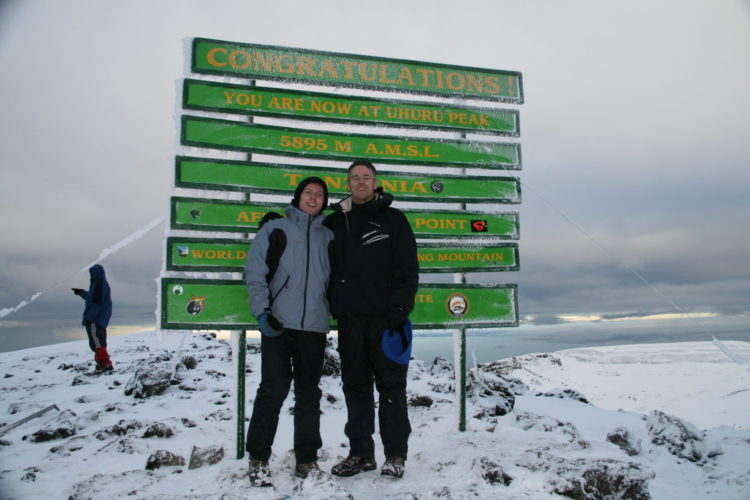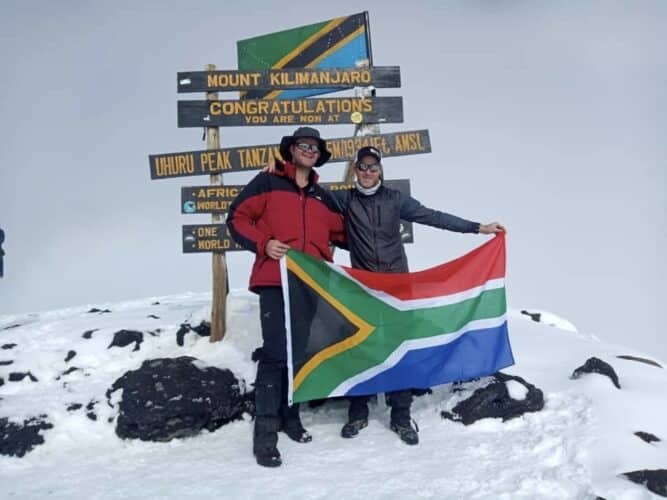
The mountain doesn’t care how fit you are.
There’s a version of Kilimanjaro that lives in people’s heads before they go. It involves superhuman fitness, elite gear, and lungs that have somehow been pre-adapted to altitude. That version is mostly fiction.
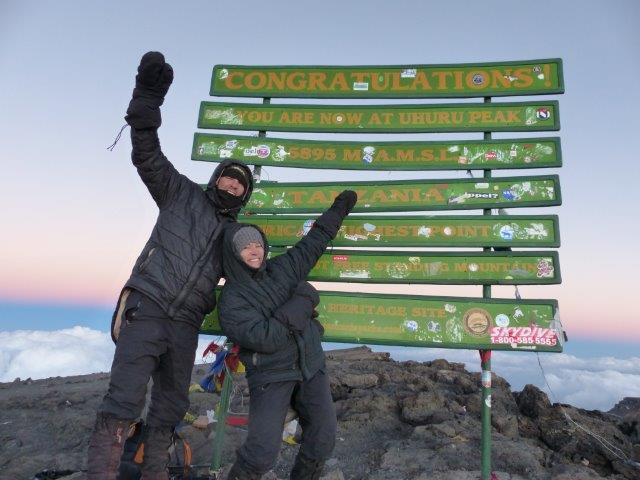
The real version, the one Jono and his brother Andy found out there on the roof of Africa is something else entirely. It’s a test of a different kind of strength. The kind that doesn’t show up in a gym.
It’s not about fitness. It’s about something harder.
Yes, you need to be reasonably healthy. But Kilimanjaro isn’t Everest. People of all ages, shapes, and fitness levels summit every year. What stops most people isn’t their legs, it’s their head. The mountain has a way of stripping everything back until all that’s left is you and the question: do you keep going?
And here’s the thing nobody tells you: the moments when you feel most vulnerable, cold, exhausted, altitude pressing on you like a weight… those are actually the moments to lean into. Not fight, not deny. Lean in. Let yourself feel small, because the mountain is going to make you feel small anyway. The bravery isn’t in pretending you’re fine. It’s in taking the next step when you know you’re not.
What Jono and Andy faced
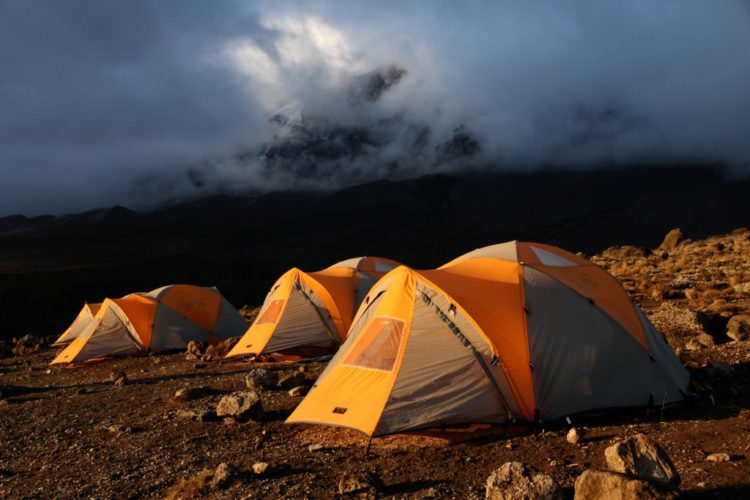
The conditions were, by any honest measure, brutal. The weather turned. The odds stacked up against them in every direction, the kind of circumstances that give you a perfectly reasonable excuse to turn back, and most people wouldn’t blame you if you did.
They kept going.
Not because they’re extraordinary athletes. Because they refused to let the mountain write the ending. Because when everything outside is chaos, you find out what’s actually inside you. And what they found was enough.
The people who make it possible
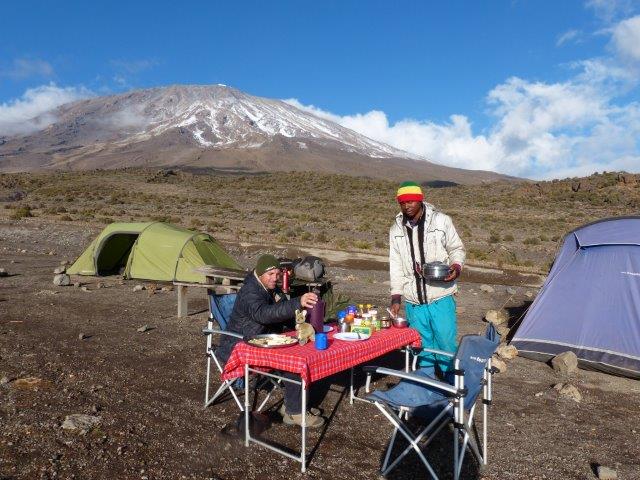
None of this happens without the guides and porters and this point cannot be overstated.
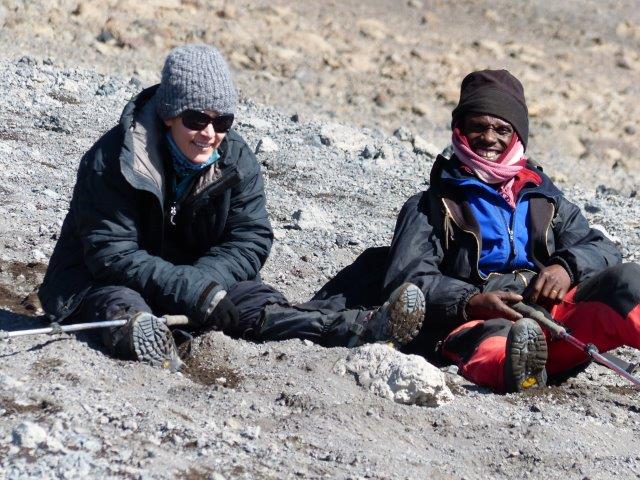
These are people of exceptional skill, experience, and warmth who carry more than your gear. They carry your morale. They know exactly when to push and when to hold back, when to tell you a joke and when to walk in silence beside you. They’ve seen thousands of climbers at their most raw and uncertain, and they meet every single one with dignity and care.
On the mountain, you realise quickly that you’re not alone. You never were.
So who is Kilimanjaro for?
It’s for people willing to be humbled. People who can sit with discomfort and not run from it. People who understand that being brave doesn’t mean being fearless — it means being afraid and going anyway.
If that sounds like you, the mountain is waiting. And it might just show you something about yourself that flat ground never could.