Did you know? The smallest floral kingdom on Earth is also one of the richest, and it’s not in the Amazon, it’s at the very tip of Africa.
Here’s why Grootbos deserves a place on your Africa list, even if you’ve never heard of it…
Okay, Aussies hear us out.
We know the pitch “beach reserve in South Africa” doesn’t exactly get the pulse racing when you grew up spoiled for choice on some of the best coastline on the planet. And we know “no Big Five” can feel like a hard no when lions and elephants are the whole reason you’re going to Africa in the first place.
But Grootbos isn’t trying to be a beach. And it isn’t trying to be a safari. It’s something rarer than both.
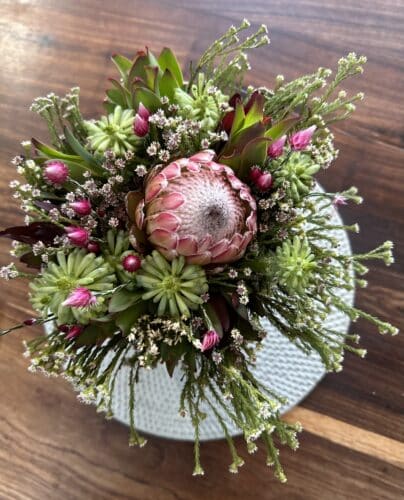
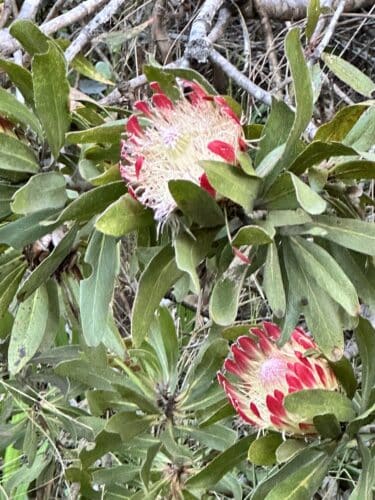
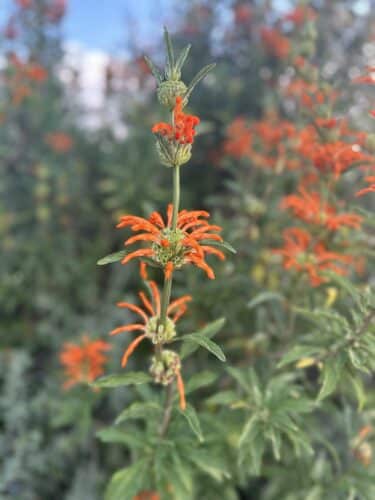
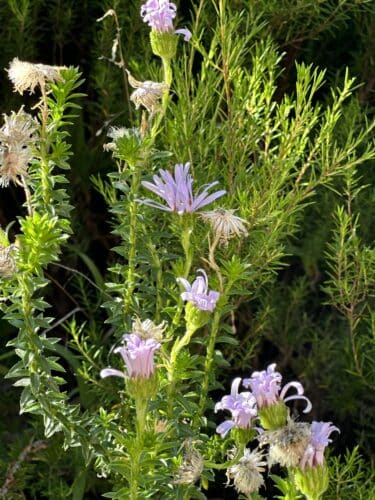
At the southern tip of Africa, where the Atlantic meets the Indian Ocean, sits the Cape Floristic Region, the smallest of the world’s six floral kingdoms, and pound for pound, the most botanically insane. Less than 0.5% of Africa’s landmass. Almost 20% of its entire plant diversity. Nearly 9,000 plant species, 70% of which grow nowhere else on Earth.
That’s the fynbos. And Grootbos, 8,650 acres of private reserve named for its ancient Milkwood forests, exists to protect it, study it, and let you fall in love with it.
And behind all of it stands Michael, Grootbos’ extraordinarily committed custodian, who has spent decades turning conservation and luxury into the same sentence, proving that world-class hospitality and genuine environmental impact aren’t a trade-off, they’re the whole point.
Because Grootbos isn’t just walking trails and a nice view. It’s fynbos safaris through a living laboratory of evolution. Game drives for species you won’t see anywhere else. Horse riding along the empty coastline. Marine safaris for the “Marine Big Five” — whales, dolphins, seals, sharks, penguins — right off the reserve. And at the end of it all, some of the most quietly exceptional luxury lodges on the continent.
So no, it’s not the Big Five. And no, it’s not “just a beach.”
It’s better. It’s blooming marvellous.
Grootbos Nature Reserve by the numbers
- 3,500 hectares of the reserve is considered absolute pristine wilderness
- 1,031 plant species recorded, 7 of them new to science, discovered right here
- 100 endangered plant species are protected on the reserve
- 3 Milkwood forests over 1,000 years old
- 23+ mammal species calling the reserve home
- The Marine Big Five — whales, dolphins, seals, sharks and penguins — all within reach of the coast
The Grootbos story comes alive the moment you’re out in it.
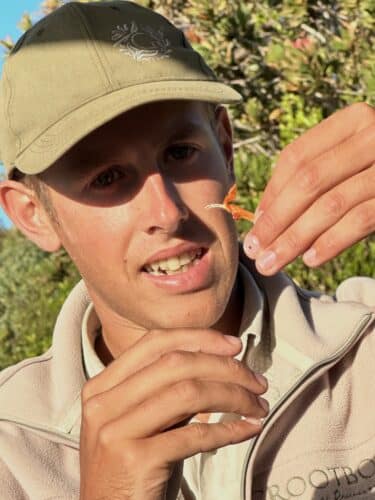
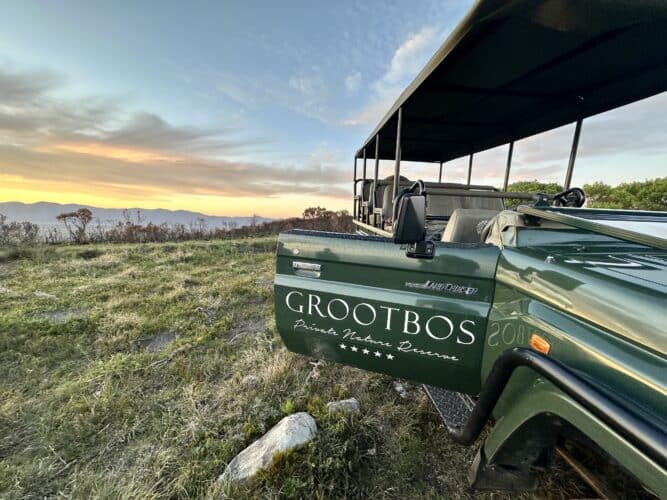
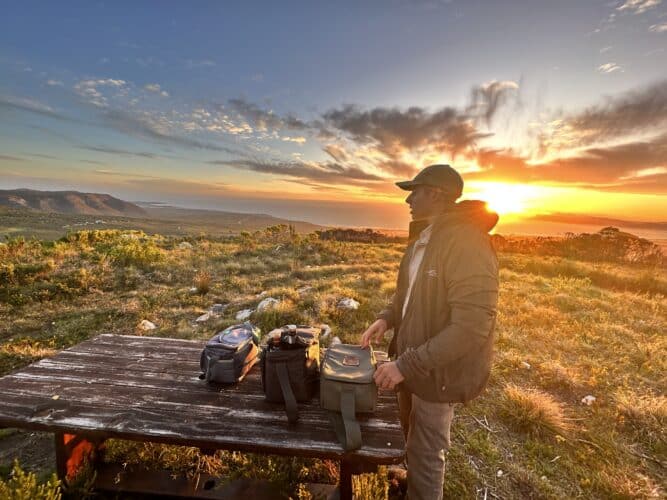
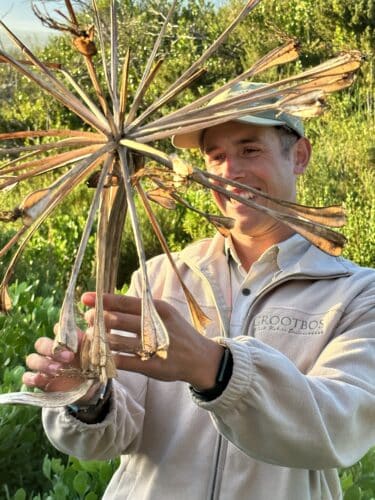
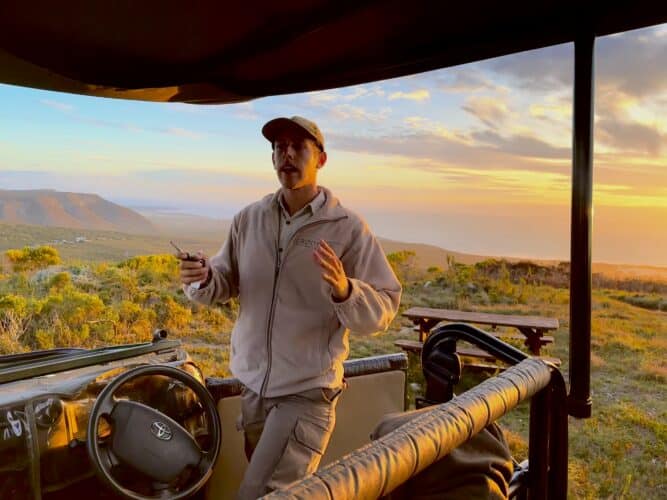
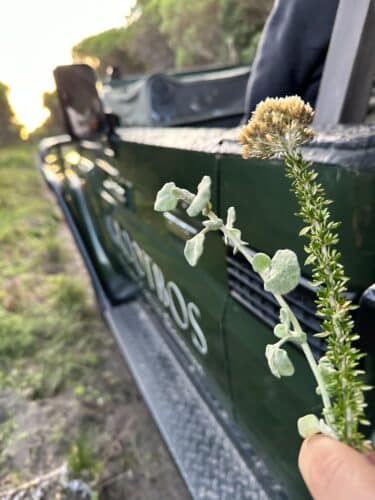
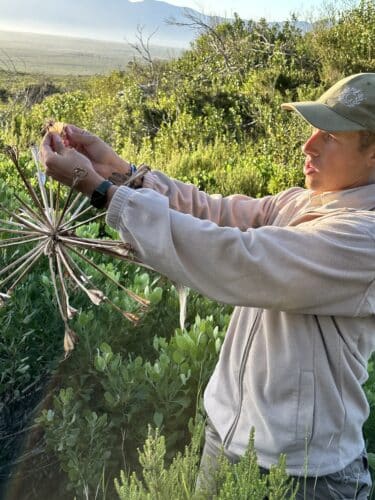
Climb aboard an open-top Land Rover for a botanical 4×4 safari and watch the landscape shift from shaded forest glades to fields of wildflowers to sweeping views from mountain peaks with a guide who can point out how a sunbird’s beak has evolved to fit one flower exactly, or why the bees here produce honey found nowhere else on Earth. Slow down, and Grootbos rewards you for it: tiny, exquisite worlds hiding in plain sight across 3,500 hectares of wilderness and over 1,000 recorded plant species, several found nowhere else on the planet.
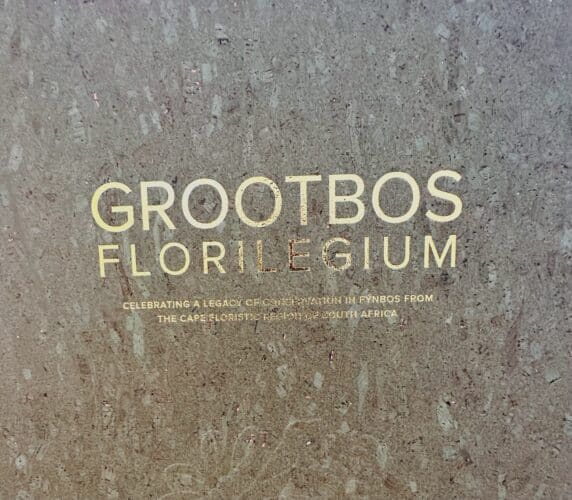
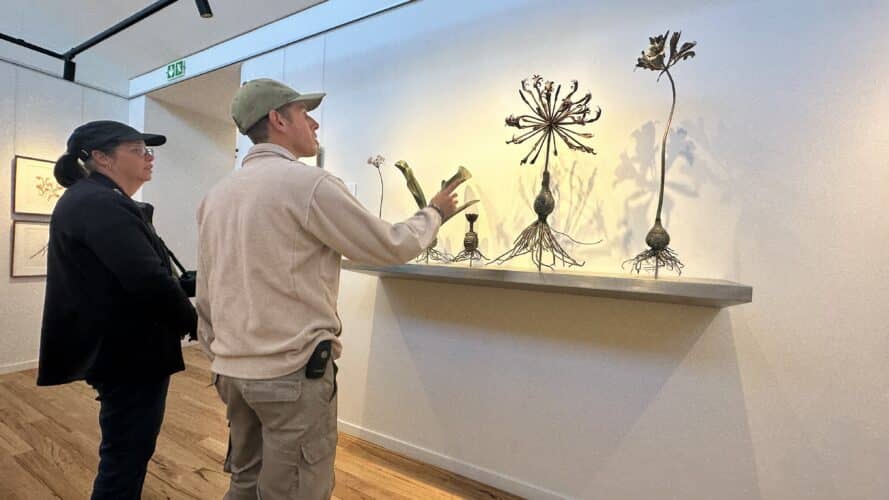
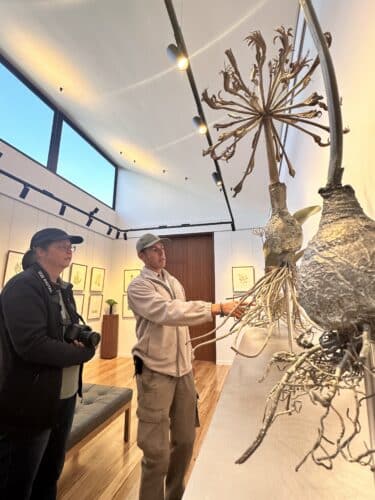
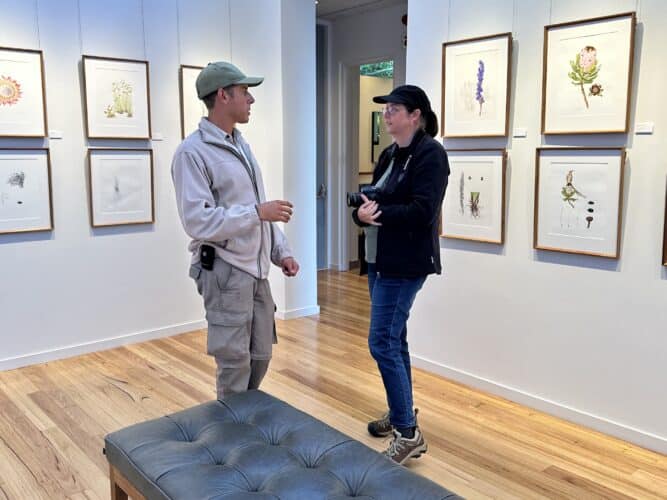
And the story doesn’t end when you step off the vehicle. At the Grootbos Florilegium, that same botanical richness is captured in extraordinary detail, a collection of illustrations by local and international artists depicting the reserve’s rarest and most charismatic plants, alongside the insects and pollinators that depend on them. It’s a rare thing: conservation, science and art, all telling the same story from different angles. And it’s not a new one, paleo-anthropological discoveries here suggest humankind has called this stretch of coastline home for millennia, thriving among the same biodiversity that still flourishes today.