The art of bringing the bush to life
Why your safari guide is everything
The ancient human tradition of storytelling is alive and well beneath the African sky
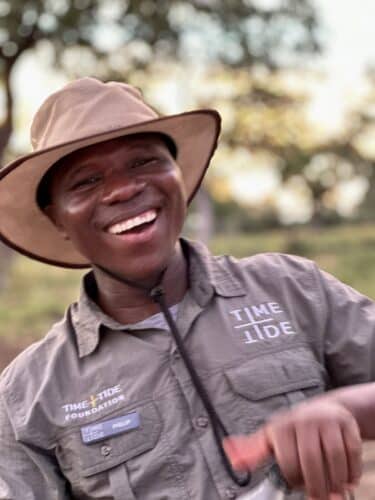
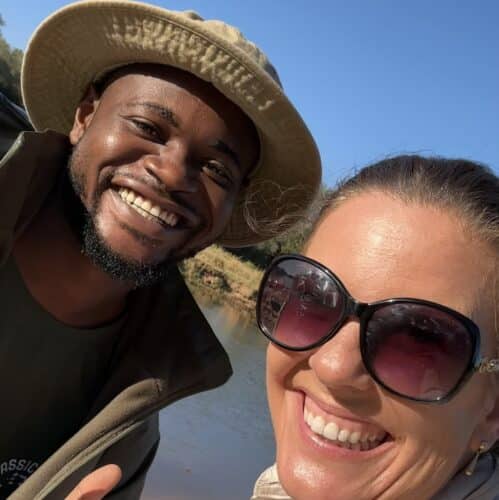
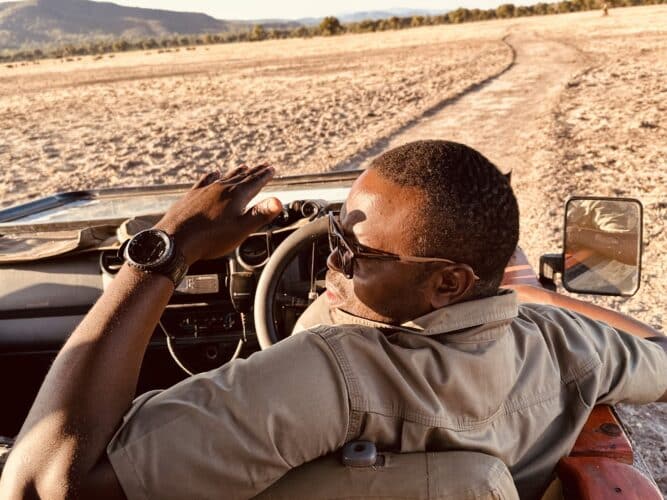
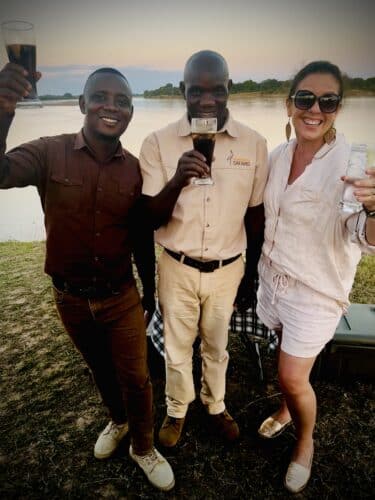
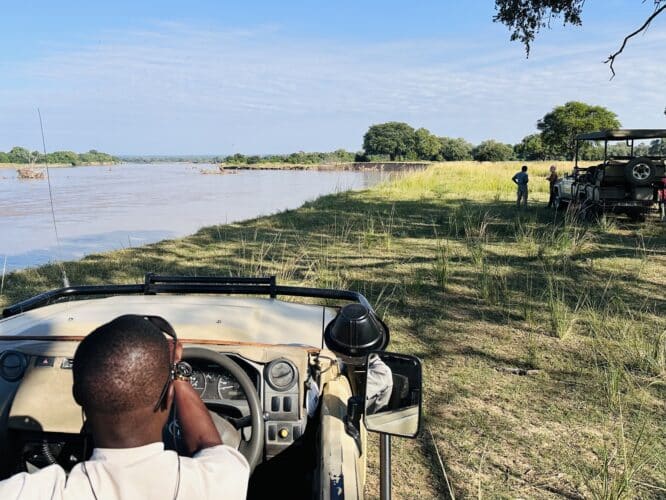
There is a moment on safari that has nothing to do with the wildlife where you see for yourself that your safari guide is everything. You are parked in silence at the edge of a waterhole and the sun is dissolving into the horizon. Your guide leans forward, lowers their voice, and begins to speak. Suddenly, the bush is not simply beautiful, it is alive with meaning. That termite mound is a New York style busy city. That lone jackal has a tragic story. The impala alarm call is a sentence in a language you are only just beginning to hear!
Now this is the magic of a great safari guide. And it is not magic at all, it is the oldest human art form in the world.
A good guide does not show you Africa. They teach you how to read it.
The guide who makes or breaks your safari
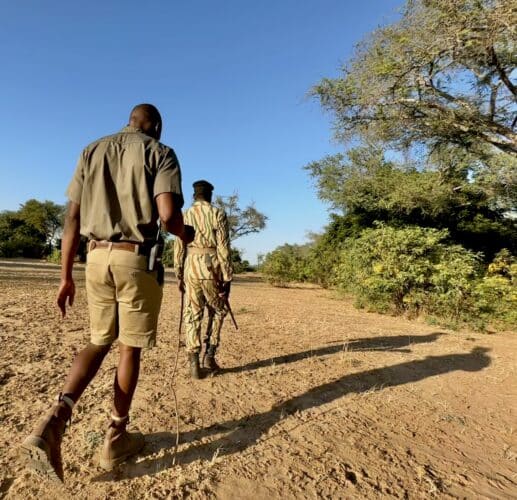
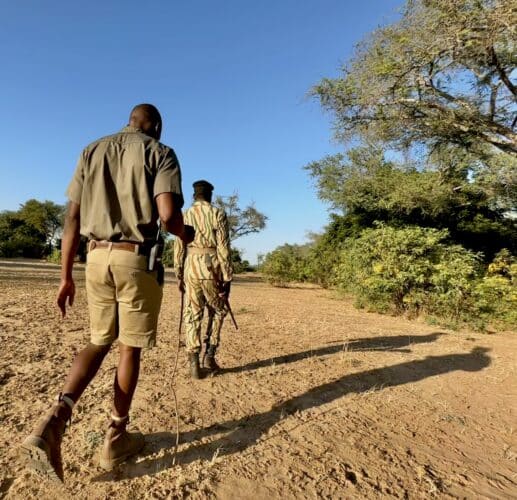
Ask any seasoned safari guest of ours what they remember most from their time in the bush, and very rarely will they say ‘the lion.’ What they remember is the guide who whispered its back story. The one who tracked it for two hours through dense thicket, reading broken grass for directions the way we’d read a book. The one who, when it finally appeared, knew exactly what it would do next and why.
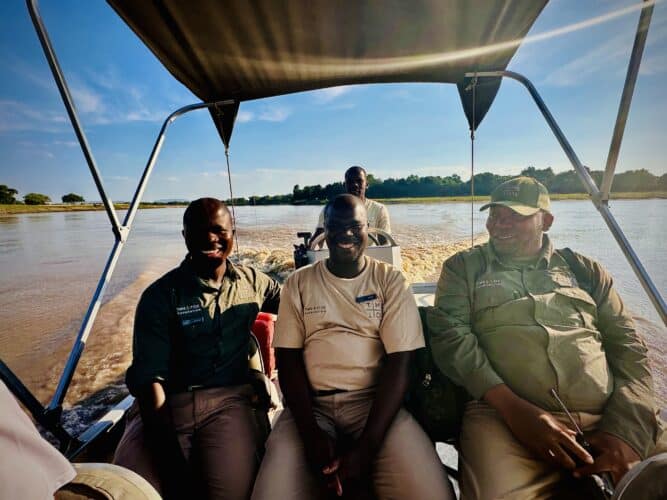
The difference between a good safari and a great one almost always comes down to a single person: your guide. The big five can be seen on a screen. What cannot be replicated is the knowledge, the warmth, and the storytelling instinct of a human being who does this for a living – an innate understanding, connection and passion for the bush.
A truly gifted guide does not deliver simple facts or wheel out the old jokes. They build a world for you to imagine – and be part of. They give the wilderness a voice, a story so it really does allow you to see everything around you differently.
The oldest fire:
storytelling across human history
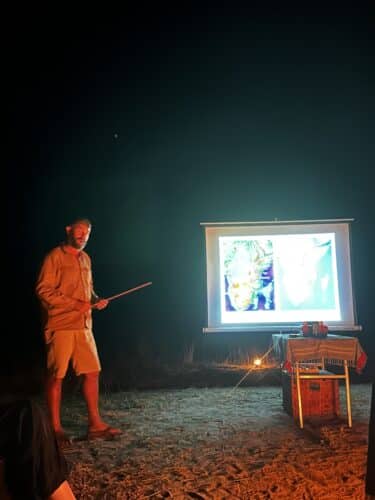
Long before written language was documented, long before cities were built, calendars created and schools existed… humans gathered around fires and shared stories with each other. It was how they made sense of the world. It was also how they passed down survival knowledge, family history, moral lessons, awe and wonder. Through storytelling, people stayed connected to each other, their ancestors and the land.
Every culture on earth has its own storytelling tradition. The West African griot, keeper of genealogies and histories. The Aboriginal elder whose Songlines trace the geography of an entire continent. The Maori tohunga whose chants hold centuries of ancestry in every syllable. In each tradition, the storyteller is not merely entertaining, they are the living thread between past and present.
Ever since our ancestors could first communicate, we have gathered to share our stories, tales, accounts of real heroism, and simple stories of family history.
The guide as storyteller
The bush as the fire
Ok now let’s step back from the 4×4 for a second and think about what a safari really is. You have left your ordinary life and entered a completely different world that you chose to ‘visit’. But it will be way more than that. This world runs off a different set of rules, more like rhythms and a completely different, more sophisticated kind of intelligence. The bush does not give up its secrets easily. Without a guide, you just see animals to check off on your list. With a great guide, you begin to understand the wild and an entirely different civilisation. Sound deep? Well, it really is simple, but profound.
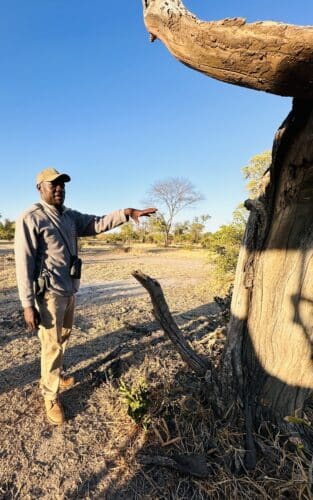
In our opinion, your guide is, in the most ancient and literal sense, a storyteller. They carry within them accumulated knowledge passed from guide to guide, generation to generation, knowledge of animal behaviour, of ecology and the land itself. The guides know which tree the leopard favours and why. They know what the baboons are saying when the whole troop suddenly falls silent after an alarm call is bellowed. They know the rain is coming before a cloud has appeared.
And the greatest guides do something even more profound: they connect all of this to the human story. They help you feel your own smallness and magnificence simultaneously. They remind you that you, too, are an animal — a remarkably lucky one, sitting in a vehicle watching the world as it was long before our species even arrived to perhaps complicate things!
When we hear others tell stories, we can laugh at their adventures, feel the thrill of exciting encounters, see parts of ourselves in them, and learn from the challenges they face.
Revival
Of an ancient practice
Most of our formal storytelling traditions have faded. The elder no longer sits at the centre of the family, reciting the genealogy. The griot no longer (or rarely) walks between villages carrying the community’s history in song. We have traded those fires for screens, and something essential has grown quiet inside us.
But it has not disappeared. It is just waiting for the right conditions like a slower pace, a darkened sky, a fire, and someone willing to speak with knowledge and conviction about the world around them with their own passion and knowledge.
A safari offers the very best conditions. It strips away the noise and returns you to something so ancient. When your guide leans back in the last light and begins a story about the old bull elephant who was here yesterday, about the pride of lions whose territory has shifted, about what this land looked like before the rains came, you feel it. There’s this powerful, ancient pull of the human voice to the land you’re in and it carries meaning across that stunning African sky.
This is exactly the reason why we love to travel. We never go on holiday to just ‘see’. It’s about hearing, understanding and connecting. That’s when we find real meaning and we come home changed… carrying stories of our own that we’re then so excited to share with our own family and friends.
What to look for
in an exceptional guide
Not all guides are storytellers, just as not all people who know facts are teachers. The guides who transform a safari share a few unmistakable qualities we’d love to share with you.
- They listen before they speak. A great guide reads the land the way a storyteller reads a room, with all senses open, waiting for the right moment.
- They make connections. Between species, between seasons, between the ecosystem and human experience. They do not present facts in isolation; they weave them into narrative.
- They carry genuine passion. You cannot fake it in the bush. The guides who have given their lives to this work carry it in how they move, how they pause, and how their voice changes when they talk about something they love.
- They leave space for natural human awe and wonder. The best guides know when to stop talking so you can enjoy the moment. They let the silence do its work.
- They make it personal. They bring the story home to you, to your life, your questions, your particular way of seeing the world.
Around a new kind of fire
So when you get back from your safari, you’re very likely going to be carrying some epic stories. Stories about the animals of course, but also stories about the beautiful light, the stillness, about the feeling of being so small in the natural world. Stories that your guide shared with you or helped you find in yourself.
So does Africa change you? Oh yes it does and the stories… that’s what you come home to share.
Tell your stories at dinner tables, by a campfire or on the lounge. Tell them to your children, your parents, your oldest and dearest friends. Tell them in a way that great storytellers always intended, not as trophies, but as gifts.
It’s an invitation to imagine a world far greater than what we see daily, and one that is so natural because it’s how we used to be connected way before tech, A.i and everything else in our modern world.
The tradition was never really about the fire, you know that right? It was always about what happens to people when they gather close enough to feel the warmth, look into each other’s faces and say…. let me tell you something!
What separates a good safari from one you'll never forget?
Start your conversation